
 Image 1 of 2
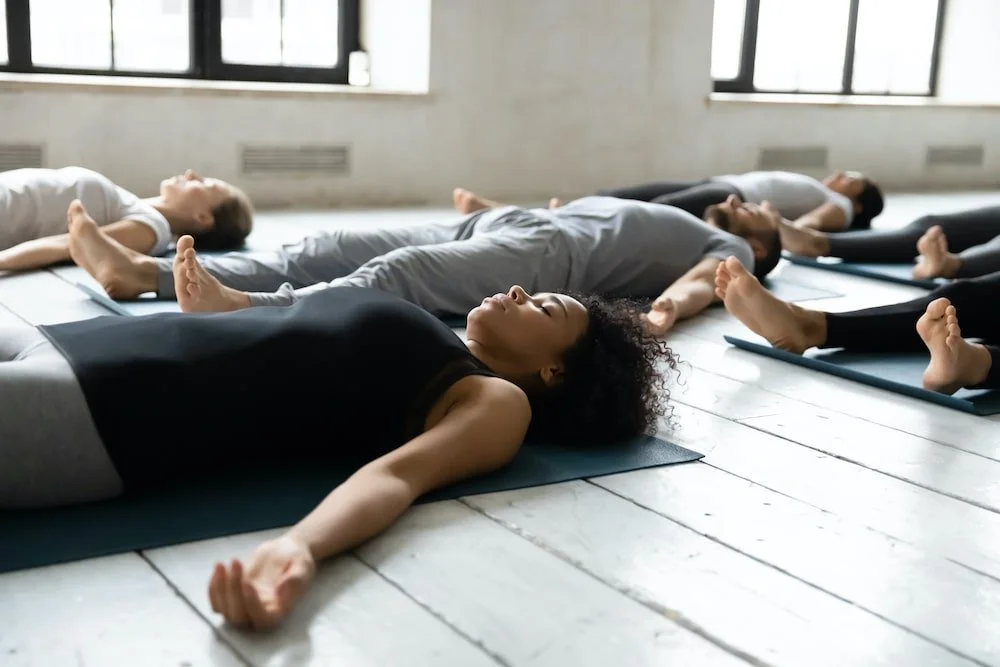 Image 2 of 2
Breathwork sessions are usually 90 minutes, which includes about 45 minutes of Breathwork and some integration, relaxation, and release. Breatkwork techniques intentionally manipulate breathing rate and depth to improve mental, emotional, and physical well-being. It acts as a bridge between the body and mind, often used to reduce stress, manage emotions, increase energy, and enhance focus by engaging the parasympathetic nervous system.
Key Benefits of Breathwork
Reduced Stress and Anxiety: Deep, controlled breathing triggers the body's relaxation response, lowering cortisol levels and decreasing anxiety.
Enhanced Mental Clarity and Focus: Regular practice can lead to better cognitive function, increased energy levels, and improved memory.
Emotional Regulation: It helps release stored tension and emotional scars, promoting a better outlook on life.
Improved Physical Health: Benefits include lower blood pressure, improved immunity, enhanced lung capacity, and increased tolerance to carbon dioxide.
Better Sleep: Techniques in breathwork can help regulate the nervous system, aiding relaxation for better rest.
How It Works: Breathwork operates by influencing the autonomic nervous system. Slow, intentional breaths stimulate the vagus nerve, which signals the body to move from a "fight-or-flight" (sympathetic) state to a "rest-and-digest" (parasympathetic) state.
Breathwork sessions are usually 90 minutes, which includes about 45 minutes of Breathwork and some integration, relaxation, and release. Breatkwork techniques intentionally manipulate breathing rate and depth to improve mental, emotional, and physical well-being. It acts as a bridge between the body and mind, often used to reduce stress, manage emotions, increase energy, and enhance focus by engaging the parasympathetic nervous system.
Key Benefits of Breathwork
Reduced Stress and Anxiety: Deep, controlled breathing triggers the body's relaxation response, lowering cortisol levels and decreasing anxiety.
Enhanced Mental Clarity and Focus: Regular practice can lead to better cognitive function, increased energy levels, and improved memory.
Emotional Regulation: It helps release stored tension and emotional scars, promoting a better outlook on life.
Improved Physical Health: Benefits include lower blood pressure, improved immunity, enhanced lung capacity, and increased tolerance to carbon dioxide.
Better Sleep: Techniques in breathwork can help regulate the nervous system, aiding relaxation for better rest.
How It Works: Breathwork operates by influencing the autonomic nervous system. Slow, intentional breaths stimulate the vagus nerve, which signals the body to move from a "fight-or-flight" (sympathetic) state to a "rest-and-digest" (parasympathetic) state.